
Foundational course · 6 practical lessons
Ethics, Morality and Responsibility
Bring your values into everyday conduct. Learn to consider others, reason through a difficult choice and respond responsibly when something goes wrong.
Begin lesson oneSee the lessons
No deadlines, scores or locked lessons. Nothing personal is submitted or saved.
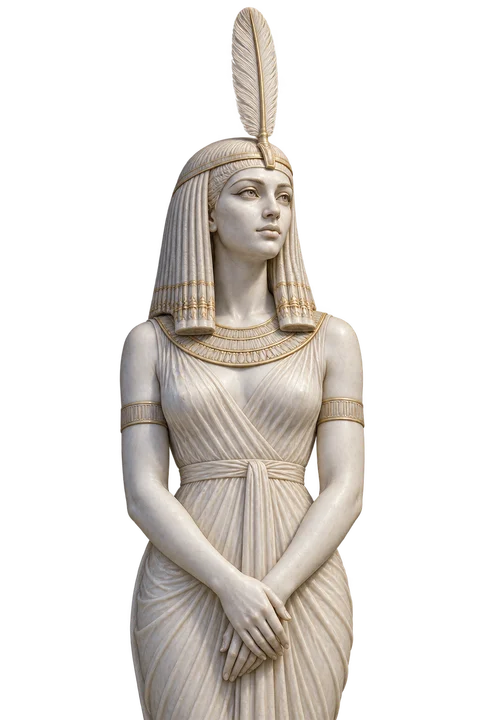
In Egyptian art, Maat is associated with truth, justice and equilibrium; her attribute is an ostrich feather. This newly generated marble portrait is an artistic interpretation, not a historical object.
Explore a historical Maat figure at The Met (opens in a new tab)A foundation for lived practice
Begin after Foundations of Study, or with equivalent introductory understanding. This course develops the ethical foundation alongside self-observation; it is not a gate that prevents you from using other lessons or finding help.
Each lesson gives you an explanation, an ordinary worked example, a prepared activity, a way to adapt it and an explained reflection. The final lesson brings three cases together into one manageable commitment. You can use fictional cases throughout.
We begin within this school's Gnostic learning journey and bring selected Buddhist, Christian and philosophical teachings into conversation. Sources retain their own context. The cases and practical questions are our original teaching, not a programme issued by Glorian or a claim that all traditions say the same thing.
This is an introductory course in ethical reasoning and conduct, not a complete treatment of moral philosophy, professional advice or a certification of spiritual attainment.
Your course, step by step
- Values and actionsTurn a stated value into a specific action and distinguish intention, action and impact.
- Non-harm, truth and consentProtect another person's choice and privacy while communicating truthfully and setting a boundary.
- Yama and niyama in contextDistinguish restraint from cultivation and connect one ethical principle with a manageable practice.
- Virtue, duty, consequences and careExamine a difficult choice through character, commitments, likely effects and the needs of those affected.
- Moral conflict and repairDescribe a proportionate repair that addresses an action without demanding forgiveness or renewed contact.
- A personal ethical practiceBring three ordinary cases together and create a specific, adaptable commitment with a plan for repair.
Keep practice proportionate
Use low-pressure situations. No confession, painful memory, confrontation or disclosure is required. Ethical responsibility includes respecting your own safety and another person's boundaries. You do not need to contact someone who does not want contact.
When an issue involves danger, abuse, a medical concern or legal responsibilities, a classroom exercise is not enough: seek appropriate help. The Find Help pages remain accessible without completing a course.
Keep the exercises close
Return directly to a prepared activity whenever it is useful. You do not need an account or a daily streak.