

Developing course · Five modules · Twenty lessons
Self-Observation
From noticing to understanding—and into action. Learn to see a response clearly, find a useful choice and discover what happens when you act on it.
Looking for a shorter connection to an original teaching? Use the self-observation companion for one selected source passage and one prepared attempt. The twenty lessons below remain our independent study course.
A skill to bring into life
What you’ll learn and practise
This course is for students who have completed Foundations of Study, or already understand the difference between learning about a practice and trying it. You do not need to repeat its assigned chapter. Lesson one gives a brief recap.
- See more clearly. Distinguish an event, sensation, feeling, thought, urge and action without inventing details or judging your whole identity.
- Find the choice. Notice an early cue, prepare a useful response and recover when you recognise the moment later.
- Try and learn. Work with ordinary resistance, use a smaller step when needed and distinguish an actual attempt from a plan or rehearsal.
- Practise with discernment. Review patterns modestly, choose when to adapt or stop, and keep Gnostic teachings distinct from your observations and other sources.
Observing is already an experience. Changing how you respond is another experience to practise. These lessons connect the two without asking you to watch yourself all day.
The bridge into experience
Understand, prepare, try, return
Follow the sequence for your first study. Each lesson adds one skill through a short explanation, a worked example, a prepared activity and reflection. Later modules bring those skills into tasks, relationships and a practice you can shape yourself.
When an activity calls for an ordinary-life attempt, prepare the cue and response before leaving the page. You do not have to feel ready or free of resistance to take a small, suitable step. If you miss the moment, use the lesson’s later entry or smaller alternative. Afterwards, ask: what did I notice, what did I actually do, and what followed?
Fictional examples are available throughout. They help you understand and rehearse; keep that distinct from what you have tried in life. Lessons stay open whichever route you choose. Nothing is submitted or saved here, and there are no deadlines, scores or completion gates.
Only two new selected readings are assigned, in lessons 4 and 13. Each has a specific question and a reminder to return. Other research and deeper sources remain optional. Our teaching sequence brings sources into conversation; it does not make their traditions or claims interchangeable.
Before a personal attempt
Preparation, choice and care
Choose ordinary, manageable situations. Practice has an ending: return to the task or conversation. No compulsory breath focus, body scan, emotion label or personal journal is needed.
The activities are our educational guidance, not a programme issued or endorsed by the cited publishers or researchers. They have not been clinically validated. Progress means a clearer distinction, a responsible response or a useful adjustment; course completion does not certify attainment.
Five stages of study
Your course, step by step
Begin at the start, or return to the skill you need. Each module adds a new challenge; every lesson remains available.
Module 1
Learn to observe
Discover what observation is, recover attention, and separate an experience from the story added to it.

- Observation is not self-judgmentSeparate a specific observation from interpretation, self-judgment and repeated checking.
- Notice, return, continueRecognize a change in attention and resume a chosen task without treating distraction as a score.
- Separate the elements of one momentDistinguish circumstances, sensations, feelings, thoughts, urges and actions without filling gaps with inventions.
- What happened—and what did I add?Separate observed behavior, reported experience and inferred motive, then choose whether clarification is useful.
Module 2
Understand the elements of experience
Distinguish sensations, feelings, thoughts and urges without needing certainty about every moment.
- Sensation without surveillanceDescribe a bodily sensation without treating it as a diagnosis or proof of a spiritual explanation.
- Name feelings without forcing certaintyDescribe a feeling provisionally while allowing mixed, uncertain or unreported experience.
- A thought is present; its claim is unsettledDistinguish a thought from a fact, intention or permanent account of identity.
- An urge is not an actionDistinguish a mild impulse from the response, try an appropriate early or later action, and review what followed.
Module 3
Bring observation into life
Remain involved in tasks, conversations and enjoyment. Make a small, honest record only when it helps.

- Observe while remaining involvedMake a light observation without abandoning a task or the surrounding environment.
- Listen without mind-readingRecognize when preparing a reply replaces listening and recover the speaker’s actual words.
- Notice interest, pleasure and self-image tooObserve pleasant or neutral experience without making self-study a catalogue of defects.
- A small, honest observation recordSeparate in-the-moment noticing from later recollection and interpretation in a proportionate record.
Module 4
Recognize patterns
Compare examples, revise an interpretation, and explore the Gnostic account without confusing memory with proof.
- From an episode to a tentative patternCompare examples and a counterexample without turning a small sample into a permanent trait.
- Test the story, including your favorite storyRevise a tentative account when a counterexample or alternative explanation fits the available information.
- When reflection becomes a loopDistinguish useful review from repetitive self-evaluation or checking and choose a proportionate ending.
- What the Gnostic framework addsRecognize a possible episode of identification while distinguishing it from an ultimate explanation of consciousness.
Module 5
Practise independently
Connect observation with spiritual purpose, responsible conduct and an adaptable practice of your own.
- Self-observation and self-remembering are not synonymsExplain the spiritual meaning added by Gnostic self-remembering without reducing it to ordinary task attention.
- From seeing to acting responsiblyPrepare and try a proportionate response, repair or boundary, distinguishing the actual result from the hoped-for one.
- Design a practice you can actually usePrepare a usable cue, response and fallback for one ordinary situation, then distinguish the plan from an actual attempt.
- Integration: three contexts, one honest reviewAdapt the skill across three contexts and review one suitable response, distinguishing actual application from fictional preparation.
A celestial thread through the course
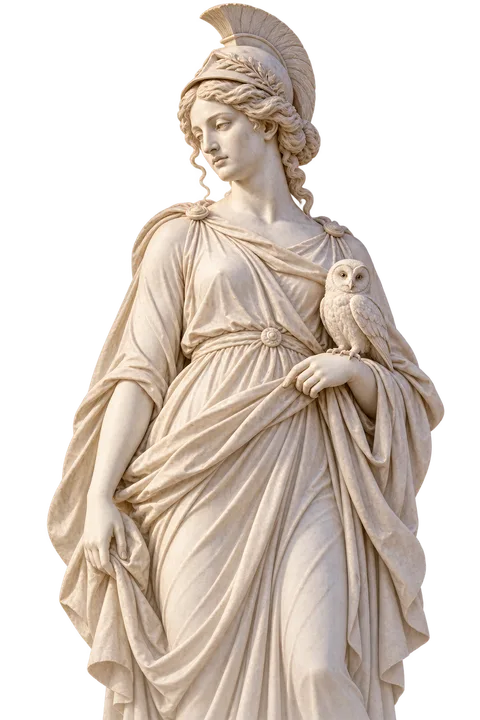
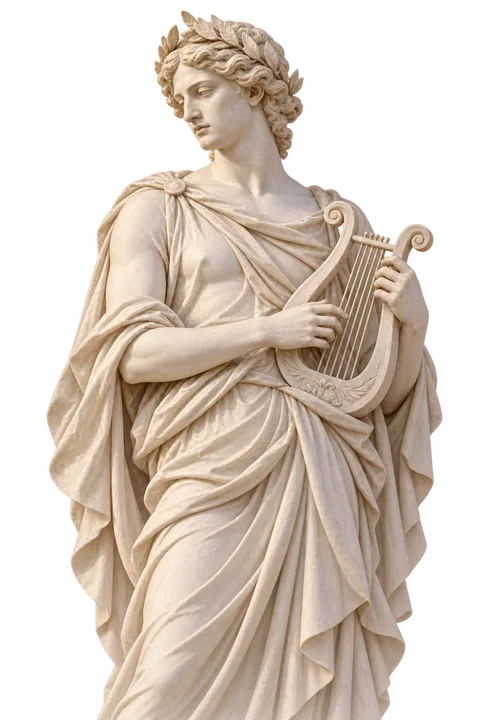
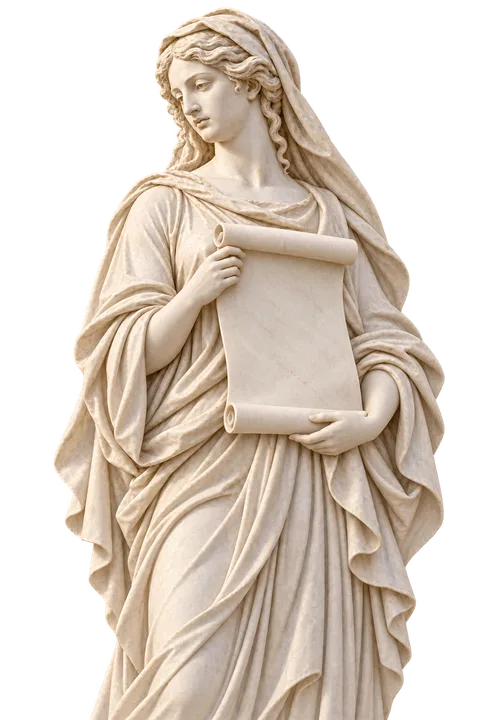
Eos, Apollo, Hermes, Mnemosyne and Athena mark the five modules. These imagined marble portraits are artistic companions to study, not historical objects, doctrinal correspondences or stages of attainment.
Read about our art and symbolism · Explore inner-work sources in the Library
One useful next step
Begin with one clear distinction
The first lesson separates observation from judgment and gives practice a sensible purpose and ending. Later lessons develop what you do with the choice you notice.
Begin: Observation is not self-judgment
Returning for an activity? Find the course exercises in Practice. Every link returns to its original preparation, activity and reflection.